I have spent 13 years as an IT infrastructure engineer and the last five running a side business setting up home offices. That is 200-plus desks assembled, cable-managed, and monitor-armed, plus a desk drawer full of torque wrenches for arm bolts that claim to be finger tight. This monitor arm and mount comparison started as a desk project and ended in my driveway, because half the mounts worth talking about in 2026 are not desk mounts at all. A monitor arm grips a desk edge. A projector mount grabs a ceiling. A bike carrier hangs off a car that was never designed to carry bicycles. Different gear, identical engineering problem: attach something heavy and expensive to a surface that does not want it there.
The pick for most people on this list is the VIVO Black Pole Mounted Monitor Arm, because pole mounting removes the desk-thickness variable that kills more budget arms than bad gas springs ever do. Everything else here is a specialist tool: one for projectors, two for bicycles. Read the table, then read the section for the surface you actually own.
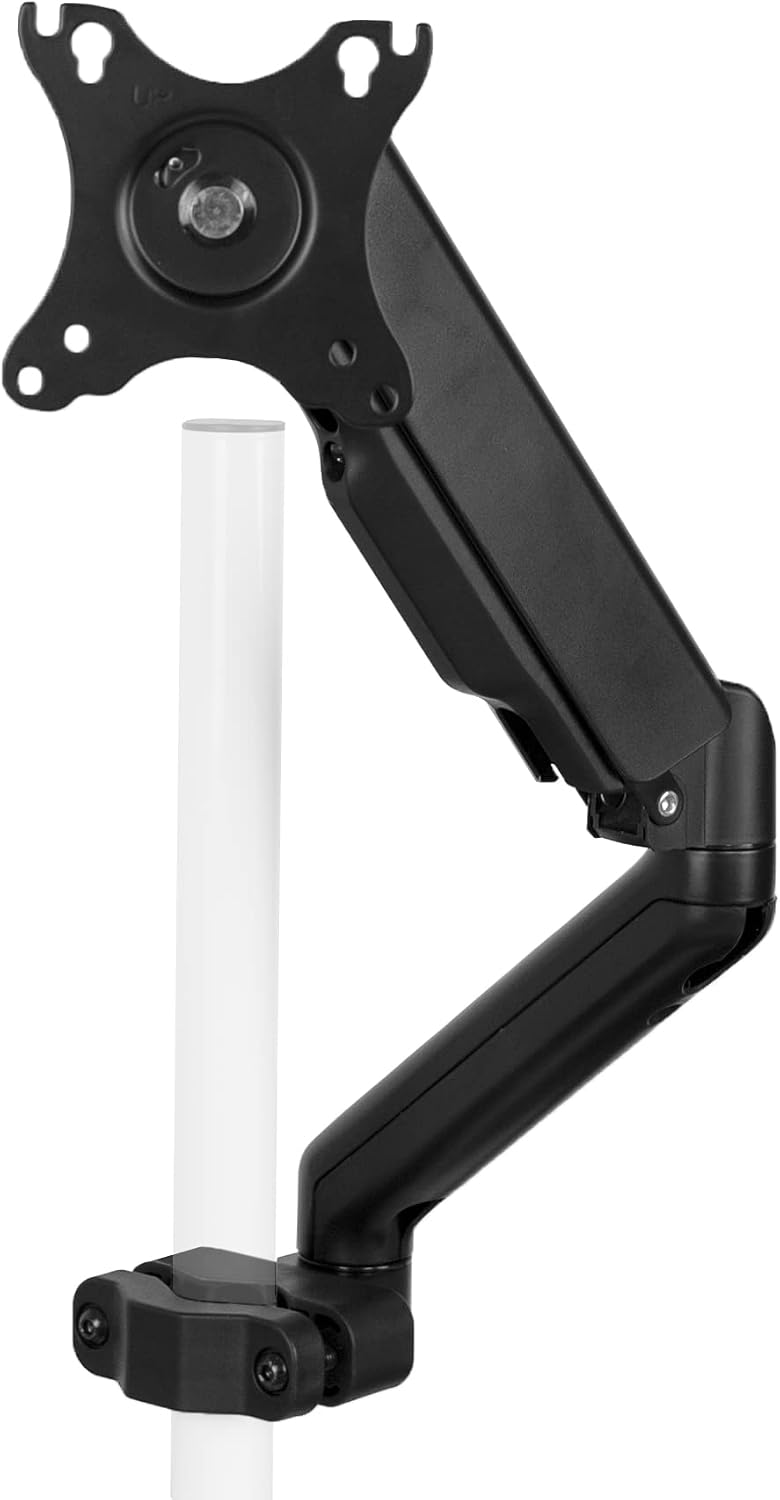
VIVO Black Pole Mounted Monitor Arm, 17-32 in Screens, MOUNT-POLE05O
Pole mounting removes the desk-thickness variable entirely, and 17 to 32 inch coverage fits the screens most desks actually run
Useless without an existing pole, so it is not a desk-edge solution
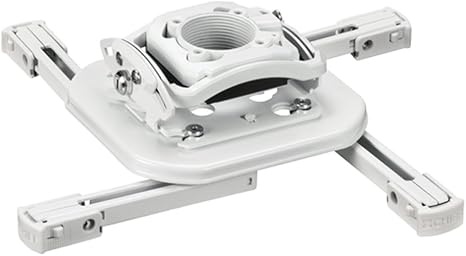
Chief RSMBUW Rpa Mini Elite Universal Projector Mount Lock B White
Universal projector plate with a locking bracket, built for permanent alignment instead of counterbalance
Single purpose hardware that needs ceiling structure and will never hold a monitor
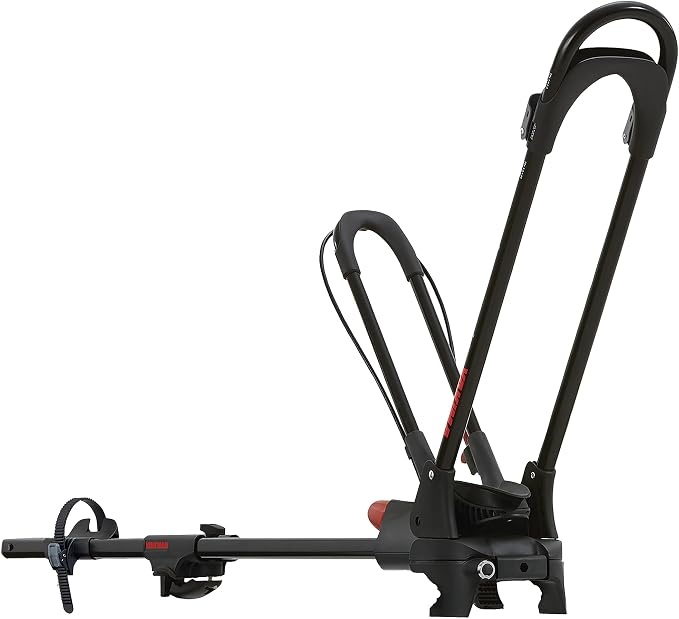
Yakima FrontLoader Rooftop Bike Rack Mount, Car & SUV Roof Carrier
Rooftop carry keeps straps off the paint and leaves the rear of the car usable
Needs crossbars, and every load is a lift over your head
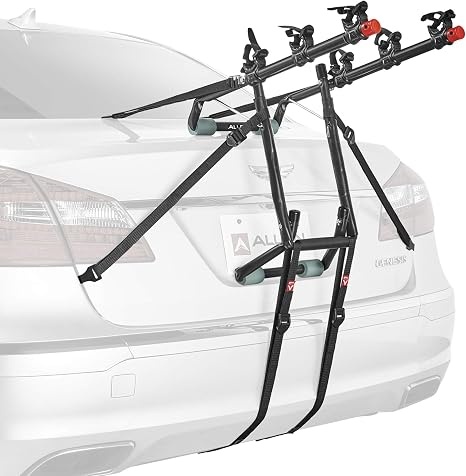
Allen Sports Deluxe Trunk Mount 3-Bike Carrier, Model 103DN-R, Black
No roof rack required, and three bikes of capacity covers a family rather than a solo rider
Trunk straps touch paint and the trunk cannot open while it is loaded
Prices and availability were captured from Amazon Creators API and may change.
Why a pole mount took the top of this table
Most budget monitor arms attach one of two ways. A C-clamp grabs the desk edge, or a grommet bolt drops through a hole in the desktop. Both assume things about your desk that are often not true. The clamp assumes 1 to 2 inches of clear, solid lip with nothing structural underneath it. The grommet assumes you are willing to drill, or that the desk already came with a hole.
A pole-mounted arm like the VIVO MOUNT-POLE05O sidesteps both assumptions. The arm clamps a vertical pole instead of the desk, which means the desk stops being part of the equation. I run into three setups where that matters constantly. Standing desks with a crossbar or a frame leg where a desk clamp cannot sit flush. Cubicle walls and garage benches with no usable edge. Shared or rotating desks, where the surface changes but the pole does not.
The trade-off is honest and worth repeating: a pole-mounted arm is only as good as the pole. Measure the pole diameter before you order and check it against the listing, because a pole mount that does not fit your pole is an expensive paperweight. VIVO lists this one for 17 to 32 inch screens, which covers the 24s and 27s that most real desks run. Cable routing along the pole is the other half of the job. A floating monitor with dangling cables looks broken, and no amount of gas spring quality fixes that.
The projector mount is solving a different problem
The Chief RPA Mini Elite Universal Projector Mount is the odd one out until you notice it is doing the same job as a monitor arm from a different angle. The screen moved to the wall or the ceiling, so the mount moved with it. The engineering priority changes completely. A monitor arm is a counterbalance problem: hold a known weight at a known extension without sag. A projector mount is an alignment problem: point the projector exactly where the screen is, and keep it there through a decade of vibration, cleaning, and HVAC cycling.
That difference explains why a projector mount looks like a rigid plate with fine adjustment rather than a hinged arm with a gas spring. It also explains the locking bracket in the name. A projector is the single most stealable thing in a conference room, and a mount that can be unclipped by hand is a mount that walks out the door. The white finish is not a style choice either. It is meant to disappear against a ceiling.
The trade-offs are all about permanence. This mount needs ceiling structure, so you find a joist or you use anchors rated for the load, and you commit to a hole in your ceiling. It will never hold a monitor, and it will never hold a bicycle. If you do not own a projector, it has no job in your house.
Roof rack or trunk rack: the Yakima and the Allen Sports
Two bike carriers in a monitor arm comparison is strange until you look at what they actually do. Both attach to a vehicle designed for passengers and cargo, not bicycles, and both live or die on the same three questions I ask about any mount: what surface can you attach to, what load can it hold, and how much do you trust a clamp or a strap at highway speed.
The Yakima FrontLoader is a rooftop carrier, and roof mounting is the cleaner engineering answer when your car already has crossbars. The bikes ride above the roofline, straps stay off the paint, and the rear of the car stays usable, which means you can still open the hatch or tow a trailer without unloading first. It also keeps the bikes out of the dirty air behind the car, which matters more than people think on a long drive.
The cost is exactly what it sounds like. You need crossbars, you need the upper body strength to lift a bike overhead, and you need to remember the bikes are up there every time you pull into a parking garage. I have watched more than one rider learn that lesson with a crunch.
The Allen Sports Deluxe Trunk Mount 3-Bike Carrier, model 103DN-R, asks nothing of your roof. It straps to the trunk lid and the rear of the vehicle, which makes it the more universal of the two and the one I recommend to anyone who rents cars, drives a sedan without crossbars, or swaps vehicles often. Three bikes of capacity is a family, not a solo rider, which is more carrier than a lot of people need and exactly right for the ones who do.
Its trade-offs are physical rather than mechanical. Straps touch paint. The trunk cannot open while the rack is loaded. Every install is a re-install, because a trunk rack comes off when the trip ends and goes back on the next Saturday. That is not a defect, it is the design, and it is why trunk racks have stayed on the road for decades.
The four questions I ask before any mount goes up
First, what surface am I attaching to, and is it rated for the load? Desk lip, grommet hole, pole, joist, crossbar, trunk lid. Get this wrong and nothing else in the spec sheet matters. I have watched people spend an hour fighting a desk clamp that was never going to fit, and the fix was not a better arm, it was a different mounting strategy.
Second, what is the real load? A monitor weighs more once you add the VESA plate, the arm hardware, and a cable bundle hanging off the back. A bicycle weighs more at 70 mph than it does in your driveway, because wind load is real. Manufacturers rate for the static case, and your life is not static.
Third, can I adjust it without a tool? This is my standing pet peeve. An arm or mount with a tilt joint that needs a hex key is a mount whose tilt will never be adjusted again, because nobody hunts down an Allen wrench to fix their neck angle. Tool-free adjustment is the difference between a mount that adapts to you and a mount you adapt to.
Fourth, would I install it for a paying client? That question filters out a lot. If I would not put it on someone else's desk, in someone else's conference room, or on someone else's car, I am not recommending it here.
Trade-offs none of these mounts can design around
Every mount on this list trades one kind of freedom for another. Pole mounting trades desk compatibility for a dependency on the pole. Ceiling projector mounting trades flexibility for permanent alignment and a hole in your ceiling. Roof racks trade easy access for crossbars and lift height. Trunk racks trade paint protection and trunk access for the ability to work on any car with a trunk lid.
There is no universally correct answer, only the answer that matches the surface you actually have. That is why the surface question comes first, before brand, before price, and before whatever the spec sheet brags about. The mount that fits your surface and holds its rated load without sagging is the right mount, even if it is the least interesting one in the table.
Which one for which job
If you have a pole or a frame leg and no usable desk edge, the VIVO pole-mounted arm is the answer. If you have a projector and ceiling access, the Chief locking mount is the answer. If your car has crossbars and you would rather keep the paint clean, the Yakima rooftop carrier is the answer. If you have a sedan, a rental, or no roof rack at all, the Allen Sports trunk carrier is the answer.
The one thing I would not do is buy for the spec sheet instead of the surface. I have watched a client buy a premium arm and then discover the desk clamp would not clear the drawer housing underneath. The arm was excellent. The desk was the problem. Measure the surface first, then buy the mount.
What I am testing next
The current bench project is budget monitor arms under $80: six units, a 27-inch and a 34-inch ultrawide, and 90 days of daily tilt and swivel at full extension. The cheap gas springs are getting better, or at least they are lying better, and I want to know which. The 34-inch ultrawide is the honest test, because a light 24-inch panel will flatter an arm that falls apart under real load.
The other thing on my list is a second pole-mounted setup for the garage bench, mostly to see whether a pole arm survives being knocked around in a shop environment the way a desk clamp does not. If it holds, the pole mount graduates from niche fix to default recommendation for anyone without a clean desk edge.