I keep a torque wrench in my desk drawer because I stopped trusting the phrase "finger tight" somewhere around my fortieth desk build. Thirteen years in IT infrastructure and a side business setting up home offices have taught me that every mount is a promise: this thing will hold that thing, for years, without sagging, cracking, or dropping a monitor onto a keyboard. So this monitor arm mounting hardware comparison is me reading four listings the way I read a lease agreement. Two of these products hold bicycles. One holds a ladder. One holds your screen. All four bolt to something and carry load, which means all four live or die on the same question: what happens in month eighteen?
The short answer: the WALI Single Monitor Arm Mount is the only product here that holds a monitor, and it covers the 17 to 32 inch range with full motion and both common VESA patterns. The Rubbermaid FastTrack hook, the Allen 102DB trunk rack, and the Swagman upright roof rack are good tools for jobs that have nothing to do with your desk.
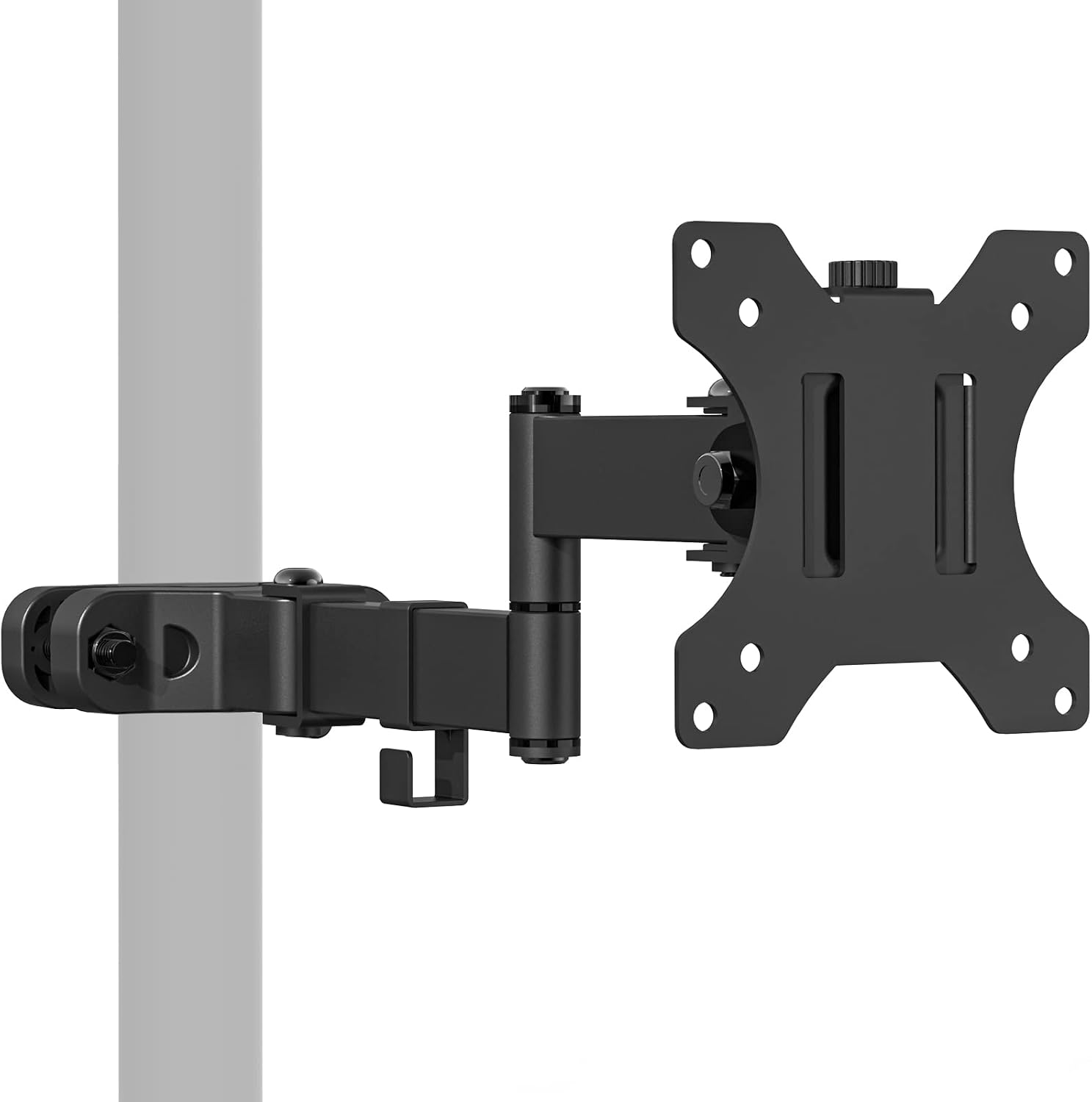
WALI Single Monitor Arm Mount
Full motion steel arm for 17 to 32 inch monitors, and the removable VESA plate accepts both 75mm and 100mm patterns
Pole mount design wants a vertical post, and the weight ceiling is the spec that actually matters
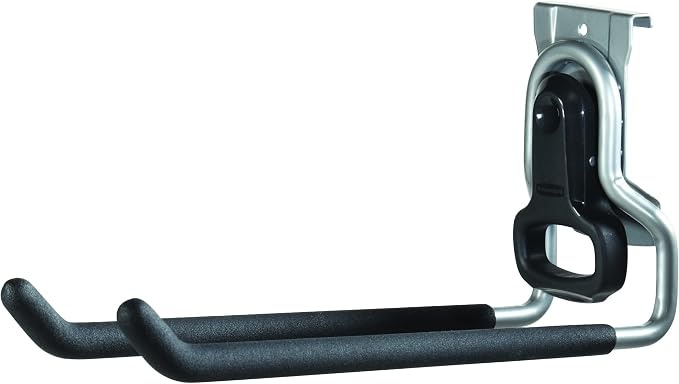
Rubbermaid FastTrack Multi-Purpose Hook
50 pound capacity, satin nickel finish, and it drops straight into an existing FastTrack rail
Useless without the rail system, and it has never once held a monitor
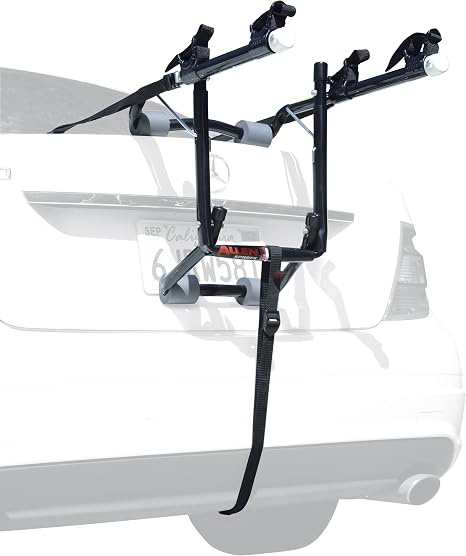
Allen Sports Deluxe 2-Bike Trunk Rack
Carries two bikes with no hitch receiver and no roof bars, and it folds down to roughly 23 by 15 by 4 inches
Straps press against paint and plastic, and spoilers, wipers, and trim can get in the way
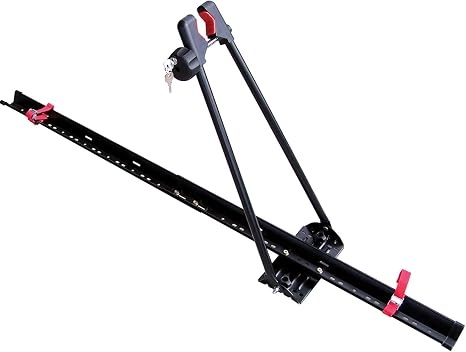
Swagman Upright Roof Mount Bike Rack
Holds bikes upright on the roof, keeps them vertical and stable, and leaves bar space for other gear
Roof mount means crossbars and lifting each bike over your head
Prices and availability were captured from Amazon Creators API and may change.
What this list actually is
Amazon's mount category is a bucket, and buckets collect everything with a bracket on it. Search for a monitor arm and you will eventually trip over garage hooks, TV brackets, and bike carriers, because the search engine groups by shape rather than by job. I kept all four products on the page on purpose. Mounting hardware is a category where the same physics repeat: a load, a joint, a surface, and a failure mode. Learn to read one listing properly and you can read the other three. What follows is the honest version of what each product does, who it is for, and where it will let you down.
The monitor arm: what to check before you buy the WALI
Start with VESA, the four-hole pattern on the back of your monitor. The WALI arm ships with a removable VESA plate that accepts both 75mm and 100mm spacing, which covers essentially every monitor built in the last decade. If your screen has no VESA holes, no arm on earth helps you, and that is the first thing to verify before you spend anything.
Second, the size range. The listing covers 17 to 32 inches. Diagonal size is a rough proxy for weight, and weight is what actually kills an arm. A 32 inch panel can weigh anywhere from around 10 pounds to nearly 20 depending on panel type, so check the published weight of your specific monitor rather than trusting the diagonal.
Third, the mount itself. This is a pole mount, a design that attaches to a vertical post. The listing mentions RVs, gazebos, and outdoor use, which tells you the designers had a pole or frame member in mind rather than a bare desk edge. If your setup has a post, a rail, or a frame tube, this is straightforward. If your plan was a standard desk clamp, measure your desk edge thickness and lip depth before ordering, because a pole mount and a desk clamp solve different problems.
Fourth, motion. Full motion means tilt, swivel, and height adjustment along the pole. That combination is what lets you raise a screen to eye level and then push it back out of the way when you need desk space. If a mount only adjusts on one axis, you will set it once and live with the compromise.
The garage hook: what a 50 pound rating really means
The Rubbermaid FastTrack Multi-Purpose Hook is a wall mounted storage hook with a 50 pound capacity, a satin nickel finish, and a direct mount design that drops into a FastTrack rail. Note the dependency in that sentence. Direct mount into a rail means the hook is the inexpensive half of a system. If you do not already own the rail, the hook by itself does nothing.
The 50 pound rating is where the monitor arm lesson repeats. A static rating assumes a static load. Hang a coiled hose or a folding ladder and the hook is doing exactly what it was rated for. Hang something that swings, or load it to 50 pounds and then yank it off the wall every morning, and the number on the package stops being a promise. I apply the same rule to arms: a mount rated well above your monitor's weight is not overkill, it is the reason the joint still holds its angle three years in.
The bike racks: trunk mount versus roof mount
The Allen Sports Deluxe 2-Bike Trunk Rack, model 102DB, carries two bikes on straps that hook to your trunk or hatch. No hitch receiver, no roof bars, and it folds down to about 23 by 15 by 4 inches for storage. That makes it the least demanding option for a car with a bare roof. The trade-offs are familiar to anyone who has strapped anything to paint: the load rests against the body, the straps need retensioning, and rear spoilers, wipers, and plastic trim can all interfere with where the hooks land.
The Swagman Upright Roof Mount Bike Rack takes the opposite approach. Bikes ride on the roof, held upright, which keeps them vertical and stable and leaves the rest of the bar free for other cargo. The cost is access and equipment. You need crossbars, you lift each bike over your head, and an upright carrier depends on frame geometry that fits the cradle properly.
This is the same fit problem as a desk clamp versus a grommet mount. Both hold a monitor. One grabs the edge of your desk, the other passes a bolt through a hole you drill. Neither is better in the abstract. One fits your desk and one does not, and you find out by measuring before you order, not by reading reviews after the box arrives.
Fit is the whole game
Every product on this page fails for the same reason: it did not fit the thing it was bolted to. The arm needs a VESA pattern, a pole or a clampable edge, and a weight under its ceiling. The hook needs the rail. The trunk rack needs a trunk lid with room for hooks and straps. The roof rack needs crossbars and a frame that sits in the cradle.
So measure first, and measure the boring dimensions. Desk edge thickness and lip depth for a clamp. Hole diameter and desk thickness for a grommet. Pole diameter for a pole mount. Monitor weight with the cables attached, because cables are weight too. Crossbar spread and bike wheelbase for the roof rack. Trunk geometry for the strap rack.
None of these numbers are hard to find. They are just easy to skip, and skipping them is how a mount ends up back in a return box with a strip of paint missing from your car.
Headroom, or why the rating is not the target
An arm rated for 17.6 pounds holding a 15 pound monitor is not a waste of capacity. That extra margin is what keeps the tilt joint from creeping and the height from sagging after a year of small adjustments. The same logic applies to the 50 pound hook and to a two-bike rack carrying two bikes. A rating is a ceiling, not a goal, and anything that spends its life at 95 percent of its limit will not spend a long life there.
Cable management is not optional on the arm
If you buy the WALI arm, plan the cable route on day one. A floating monitor with dangling display and power cables looks broken, and it puts a sideways pull on the arm every time you swing it. Route cables along the pole with ties and clips you already own, leave slack at the joints for the full range of motion, and label the ends if you swap machines often. Ten minutes of routing is the difference between a setup and a pile of hardware.
Which one belongs on your list
- You have a monitor and a pole, rail, or frame member to attach it to: the WALI arm is the pick. Verify VESA pattern, monitor weight, and pole diameter first.
- You already own a FastTrack rail and the ladder is on the floor: the Rubbermaid hook is the simplest fix on this page.
- You have a car with no hitch and no roof bars, and two bikes to move: the Allen trunk rack is the path of least resistance, as long as your trunk lid plays nice with the straps.
- You have crossbars and you do not mind lifting: the Swagman upright carrier keeps bikes vertical and frees the bar for other gear.
Bottom line
Three of these products are not monitor arms, and that is fine. A mount is a tool for a specific load on a specific surface, and the failure mode is almost always a fit problem rather than a quality problem. If your job is floating a screen above a desk, the WALI arm is the one to check: 17 to 32 inches, full motion, and a removable VESA plate that handles both 75mm and 100mm patterns. If your job is a ladder in the garage or two bikes on a hatchback, the other three are honest tools for those jobs. Match the spec sheet against your own measurements before you click, and the mount will outlast whatever it is holding.